

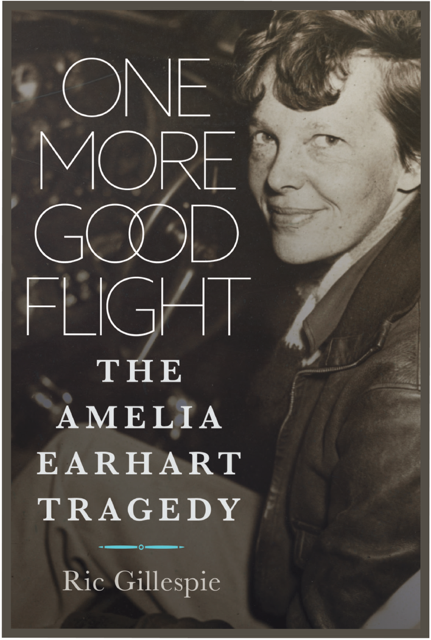
— Prof. Richard Jantz, University of Tennessee.
— Prof. William Trimble, Auburn University.
— Peter Garrison, Flying Magazine.
Hard-cover copies signed by the author are available only from TIGHAR. Click here to order a signed copy:
https://tighar.wisdomfilters.com/b/books-and-information
Project Midnight Ghost
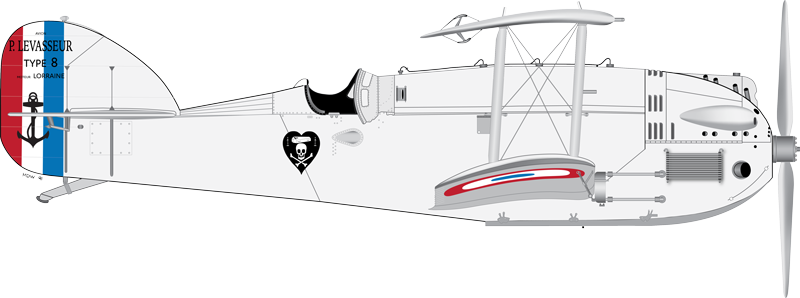
When l’Oiseau Blanc, the White Bird of Charles Nungesser and François Coli, took off from Paris on May 8, 1927 with enough fuel to reach New York everyone, including Charles Lindbergh, assumed the famous French heroes would succeed in winning the $25,000 prize for the first nonstop flight between the two cities – but they never arrived. As Lindbergh wrote in his book The Spirit of St. Louis, “Step by step, newspaper headlines have followed Nungesser and Coli … only to have them vanish like midnight ghosts.” Had the White Bird reached New York, the Lone Eagle would not have flown the Atlantic, and the enormous boost his flight gave to the American aviation industry would not have happened. The consequences can only be imagined.
Project Midnight Ghost is the investigation that launched TIGHAR in 1984. Ten years later, after twenty expeditions in Maine and eight more in Newfoundland, we put the project on hold, awaiting better, more economical technology with which to complete the search and solve the mystery.
Twenty-seven years later that day has arrived, and we have scheduled a major expedition to Newfoundland in September of 2022, the 95th anniversary year of “Le Grand Raid de l’Oiseau Blanc” (The Great Attempt of the White Bird).
Click HERE for more. Watch for news and updates here on the TIGHAR website, in our quarterly journal TIGHAR Tracks, and in TIGHARNews email bulletins.
Click HERE to make a donation to Project Midnight Ghost,
the search for l’Oiseau Blanc.