August 21 through August 25
Registration Open Now
Click HERE to Register
About the Field School
In a day of introductory classroom work followed by four days in the field, participants will learn the principles and basic techniques for finding, examining, and evaluating historic crash sites. Completion of the Field School is a requirement to be eligible for selection for TIGHAR expedition teams.
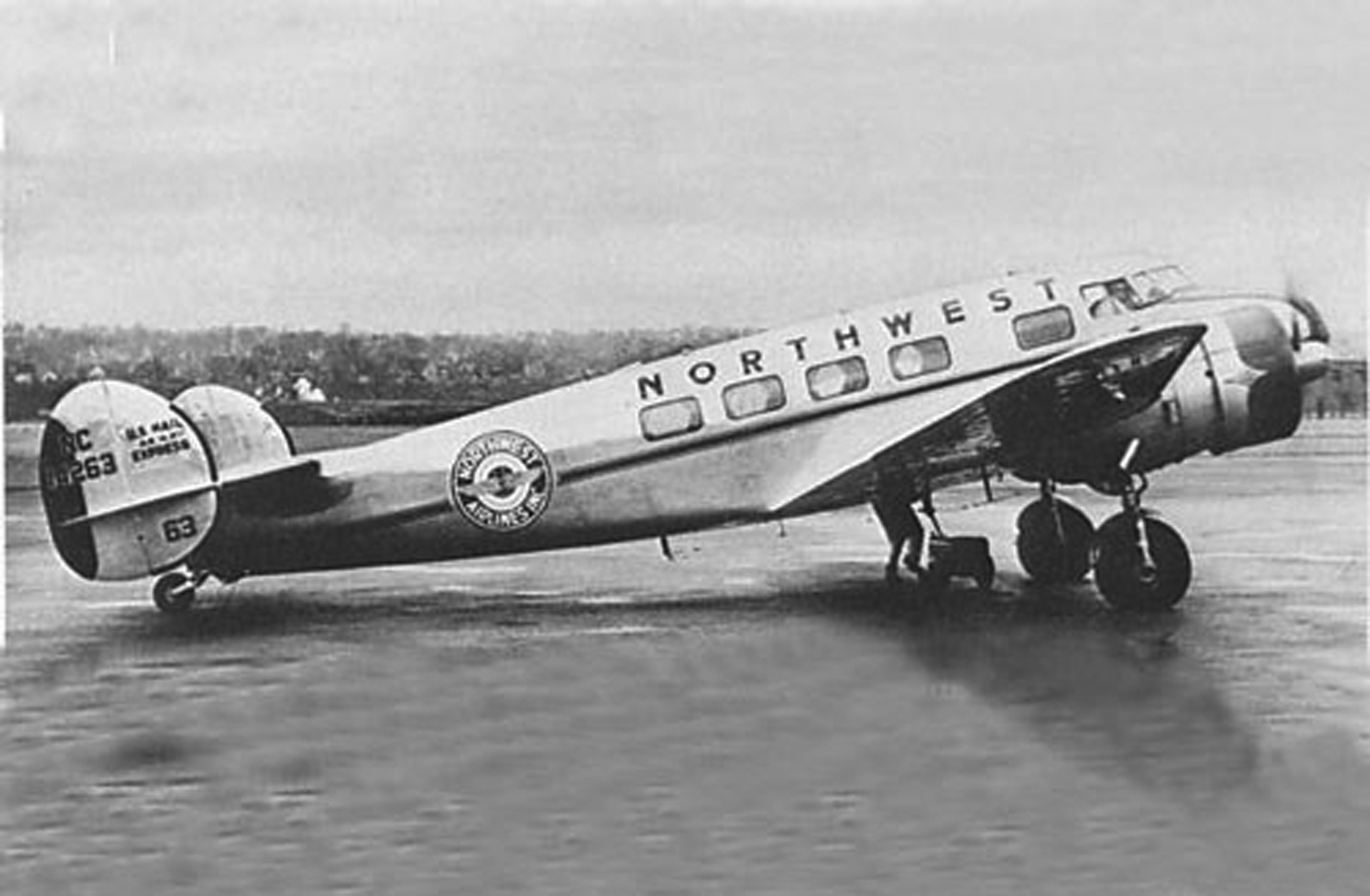
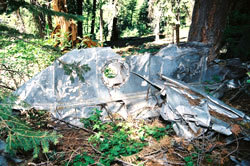
The subject aircraft for the 2013 Field School will be Lockheed NC14935. The Northwest Airlines Model 10A Electra iced up and crashed December 18, 1936 near Kellogg, Idaho during an airmail flight from Missoula, Montana to Spokane, Washington. Pilot and copilot died on impact and their bodies were later recovered. There were no passengers aboard. Some of the wreckage was later salvaged but much – and it’s not entirely clear how much – still remains on the site. The wreck is of particular interest to TIGHAR as a rare source of information about Electra structures and how they react under stress.

The instructors for the 2013 Field School will be:
 |
 |
 |
 |
Principal Instructor – TIGHAR Archaeologist Megan Lickliter-Mundon
Megan has a Masters in Archaeology from the University of Edinburgh and is a veteran of TIGHAR’s
Niku VI expedition to Nikumaroro in 2010.
|
Associate Instructor – TIGHAR Aviation Archaeologist Craig Fuller
Craig has extensive experience in wreck location and identification and is a veteran of many
TIGHAR field investigations including the 2006 assessment of WWII Japanese aircraft in Yap,
Federated States of Micronesia.
|
Associate Instructor – TIGHAR Aviation Archaeologist Gary Quigg
Gary has been active in TIGHAR field work for the past twenty-one years including five TIGHAR
expeditions to Nikumaroro.
|
Assisting – TIGHAR Executive Director Ric Gillespie |
Principal Instructor Megan Lickliter-Mundon describes what the Field School will cover:
The field school is designed for participants who want to have a solid understanding of the when, why, and how of terrestrial aviation archaeology and the heritage preservation that goes with it. We will use a grid mapping method as established in previous years, and GPS will be used for point reference. Various technology applications, excavation strategies, the basics of stratigraphic profile drawing, and field recording will be emphasized. The finds analysis, of course, will be highly airplane oriented and a parts identification component will be stressed.
Lectures will be conducted on a regular basis on various aspects of archaeological theory, excavation practice and analyses, as well as heritage management and site monitoring. We strive to give students the best instruction in theory vs practice.
At the end of this field course, the students should:
- Understand archaeological research designs and their impacts on field investigations.
- Have competence in field survey, excavation and documentation methods (including basic mapping, line-level, stratigraphic profiling, and excavation techniques).
- Understand basic site formation and site disturbance factors.
- Gain experience in field survey and working in remote settings.
- Develop a working knowledge of metal detecting and GPS use.
- Have an understanding and appreciation of heritage sites and public-use archaeology sites.
|
Note: The Field School involves strenuous outdoor activity.
It’s a two mile hike from the trailhead to the wreck site on a good, but occasionally steep, trail. An outfitter will use mules to transport heavy gear and will provide meals on site. The wreck site itself is on steepand unstable terrain so the work on site will require stamina and agility.
The dates for the 2013 Field School are August 21 through August 25. Participants will assemble at the Spokane, Washington airport at 3 p.m. on Wednesday and arrive back at the airport by 11 a.m. on Sunday.
Full tuition of $2,500 includes:
- All instruction
- All transfers
- Hotel, excluding meals
- All outfitter support and meals in the field
We can accommodate a maximum number of 25 students. A $500 deposit is required to reserve a place, with the balance due 30 days before the start date of the course. Click HERE to sign up! |